
Understanding Lab Reports and Importance of Blood Tests
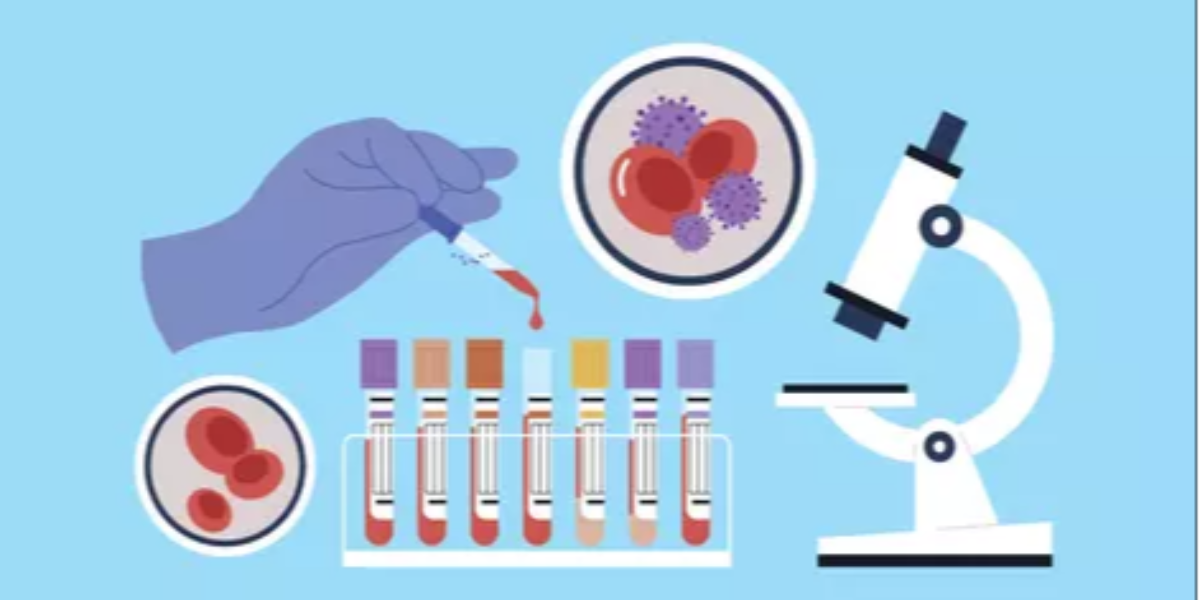
Blood tests are among the most common diagnostic tools used in modern medicine. They provide vital information about your overall health, helping doctors detect diseases early, monitor treatment effectiveness, and guide medical decisions. Understanding your lab reports empowers you to take an active role in your health care.
Why Blood Tests Are Important
Blood tests offer insights into many aspects of your health:
- Detecting Diseases Early: Routine blood tests can identify conditions like diabetes, anemia, infections, and liver or kidney disorders before symptoms appear.
- Monitoring Health: Blood tests help track cholesterol levels, blood sugar, and other markers to prevent complications.
- Guiding Treatment: Doctors use lab results to adjust medications, monitor therapy effectiveness, and recommend lifestyle changes.
- Assessing Organ Function: Liver, kidney, and thyroid function tests show how well these organs are performing.
Common Types of Blood Tests
Complete Blood Count (CBC)
A CBC measures different components of your blood, including red and white blood cells, hemoglobin, and platelets. It helps detect anemia, infections, and immune disorders.
Blood Glucose Test
This test measures the sugar level in your blood and is crucial for diagnosing and managing diabetes.
Lipid Profile
A lipid profile measures cholesterol and triglyceride levels, helping assess your risk for heart disease.
Liver Function Tests (LFTs)
LFTs evaluate how well your liver is working by measuring enzymes, proteins, and bilirubin levels.
Kidney Function Tests (KFTs)
KFTs assess kidney performance by measuring blood urea, creatinine, and electrolyte levels.
Understanding Your Lab Report
Reading your lab report can be confusing, but knowing the key components helps:
- Test Name: Indicates what was measured (e.g., hemoglobin, cholesterol).
- Result: Your specific value from the test.
- Reference Range: The normal range of values for healthy individuals. Values outside this range may indicate a problem.
- Comments/Notes: Some labs include interpretations or advice for follow-up.
It’s important to discuss your results with a qualified healthcare professional to understand their implications in the context of your overall health.
Tips for Accurate Blood Test Results
- Follow Fasting Instructions: Some tests require fasting for accurate results.
- Stay Hydrated: Drinking water helps ensure proper blood flow for the sample.
- Inform About Medications: Some drugs can affect test outcomes.
- Schedule Regular Checkups: Routine tests help track changes over time.
Conclusion
Blood tests are a powerful tool for maintaining and improving your health. They provide early warnings, track your body’s response to treatments, and guide medical decisions. By understanding your lab reports, you gain insight into your health and can make informed choices for a healthier life.
Share on Social Media
Recommended For You

From Conception to Cradle: The Importance of Comprehensive P...

Food as Medicine: How Medical Nutrition Therapy Manages Chro...
Understanding Brain and Spine Surgery: When is it Necessary?
Kidney Health Awareness: Why Early Detection Matters

Why the Department of Medicine is the Backbone of a Hospital

How is Modern Technology in Medical Laboratories Transformin...
Foods That Support Liver Health and Detoxification

Top 10 Skin Care Tips Backed by Dermatologists

The Rising Trend of Virtual Dental Care and Why It Matters

Dentistry Department at Madinah Teaching Hospital, Faisalaba...

Breast Surgery Department at Madinah Teaching Hospital, Fais...

Anaesthesia Department at Madinah Teaching Hospital, Faisala...

Departments at Madinah Teaching Hospital Comprehensive Care...

Common Stomach Issues Treatments and Healthy Diet for Liver...

Acne Care Tips and How to Manage Skin Allergies

Cosmetic and Reconstructive Surgery Top Plastic Procedures
How to Maintain Oral Hygiene and Understanding Root Canal vs...

How MTH is Training the Next Generation of Compassionate Doc...
Medical Laboratory Services Ensuring Accurate and Reliable D...

Importance of Regular Health Screenings and Services at Madi...

How Madinah Teaching Hospital Provides Affordable Healthcare...

The Role of Physical Therapy in Faster Recovery at Madinah T...
Dentistry Services at Madinah Teaching Hospital Faisalabad

Hospital Overview and Institutional Trust at Madinah Teachin...

Role of Anaesthesia in Modern Surgery at Madinah Teaching Ho...

Breast Surgery at Madinah Teaching Hospital, Faisalabad
Readers Also Viewed These Articles

Get in touch with us today to get medical services
Madinah Teaching Hospital
Sargodha Road, Faisalabad
- EMAIL US: [email protected]
- CALL US: 041-8869862
Subscribe Our Newsletter


Copyright 2026. All Rights Reserved By MTH