
Understanding Brain and Spine Surgery: When is it Necessary?
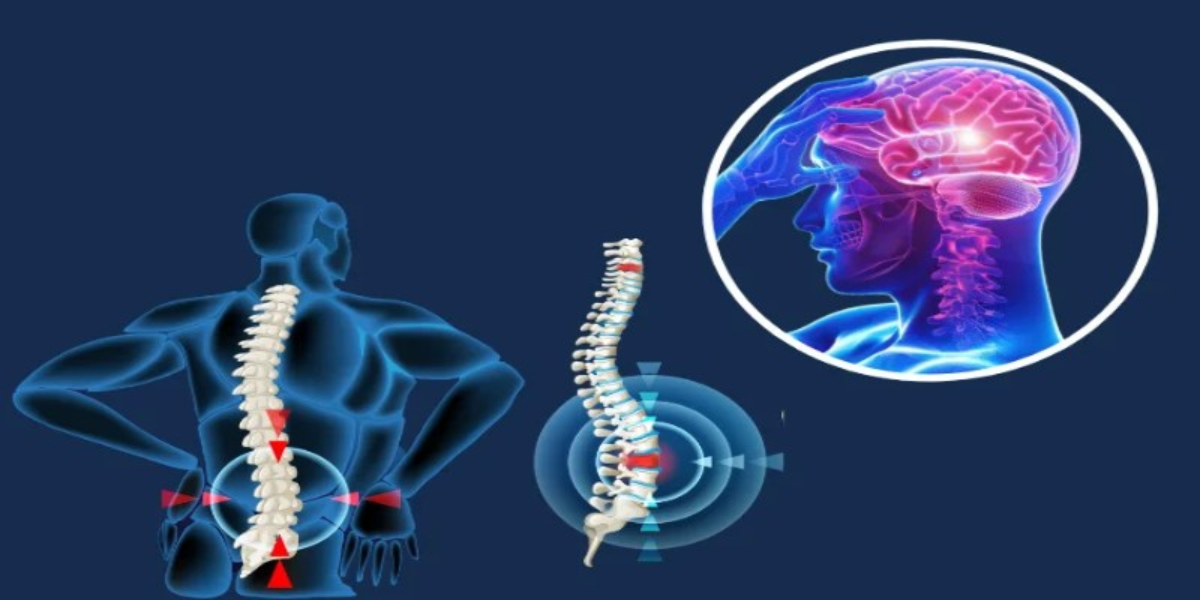
The human nervous system is an intricate network that controls every movement, sensation, and thought. When this system is compromised by injury or disease, the intervention of a neurosurgeon becomes a life-saving necessity. However, the decision to undergo brain or spine surgery is often met with hesitation and fear.
Understanding the conditions that require surgical intervention is the first step toward reclaiming your health and quality of life.
Why Neurosurgery is a Vital Necessity
Neurosurgery is not always the first option, but it is often the most definitive one. It becomes necessary when conservative treatments such as medication, physical therapy, or injections fail to provide relief or when a condition poses an immediate threat to the patient's neurological function. In many cases, surgery is the only way to prevent permanent paralysis, cognitive loss, or life-threatening complications.
Whether it is a sudden trauma or a slow-growing tumor, the goal of neurosurgery is to decompress nerves, remove harmful growths, and stabilize the skeletal structure of the spine.
Key Conditions Requiring Brain Surgery
Brain surgery is typically performed to address structural issues within the skull. Some common scenarios include:
- Brain Tumors: To remove or reduce the size of growths that exert pressure on vital brain tissues.
- Aneurysms and Hemorrhages: To repair leaking blood vessels and prevent strokes.
- Hydrocephalus: To drain excess fluid that builds up in the brain’s cavities.
For patients requiring these high-precision procedures, the Neurosurgery Department provides a specialized environment equipped with the latest surgical technology. Led by the highly experienced Head of Department of Neurosurgery, the team ensures that every patient receives a comprehensive evaluation before proceeding with surgery.
When is Spine Surgery Necessary?
The spine acts as the pillar of the body. When discs slip or bones shift, the resulting nerve compression can be agonizing. Surgery is usually considered when:
- Slipped (Herniated) Discs: When a disc presses on a nerve root, causing severe leg or arm pain.
- Spinal Stenosis: The narrowing of the spinal canal that leads to difficulty walking and numbness.
- Spinal Fractures: Often caused by accidents, requiring stabilization with rods or screws.
Safety and Technology in Modern Neurosurgery
In 2026, neurosurgery has become safer than ever thanks to minimally invasive techniques. Modern surgeons now use microscopic cameras and neuronavigation (GPS for the brain) to perform surgeries with pinpoint accuracy. This results in smaller incisions, less post-operative pain, and a much faster return to daily activities.
At Madinah Teaching Hospital, the focus is on "Functional Preservation." This means the surgical team doesn't just aim to remove the problem, but to do so while protecting the patient’s ability to speak, move, and feel.
Conclusion
Brain and spine surgeries are complex, but they are often the most effective path to recovery for patients facing severe neurological challenges. By choosing an expert team and a facility equipped with modern technology, you can navigate these challenges with confidence and hope for a better, pain-free future
Share on Social Media
Recommended For You

From Conception to Cradle: The Importance of Comprehensive P...
Food as Medicine: How Medical Nutrition Therapy Manages Chro...
Kidney Health Awareness: Why Early Detection Matters

Why the Department of Medicine is the Backbone of a Hospital

How is Modern Technology in Medical Laboratories Transformin...
Foods That Support Liver Health and Detoxification
Top 10 Skin Care Tips Backed by Dermatologists
The Rising Trend of Virtual Dental Care and Why It Matters
Dentistry Department at Madinah Teaching Hospital, Faisalaba...
Breast Surgery Department at Madinah Teaching Hospital, Fais...
Anaesthesia Department at Madinah Teaching Hospital, Faisala...

Departments at Madinah Teaching Hospital Comprehensive Care...

Understanding Lab Reports and Importance of Blood Tests
Common Stomach Issues Treatments and Healthy Diet for Liver...

Acne Care Tips and How to Manage Skin Allergies

Cosmetic and Reconstructive Surgery Top Plastic Procedures
How to Maintain Oral Hygiene and Understanding Root Canal vs...
How MTH is Training the Next Generation of Compassionate Doc...
Medical Laboratory Services Ensuring Accurate and Reliable D...
Importance of Regular Health Screenings and Services at Madi...

How Madinah Teaching Hospital Provides Affordable Healthcare...
The Role of Physical Therapy in Faster Recovery at Madinah T...
Dentistry Services at Madinah Teaching Hospital Faisalabad

Hospital Overview and Institutional Trust at Madinah Teachin...
Role of Anaesthesia in Modern Surgery at Madinah Teaching Ho...
Breast Surgery at Madinah Teaching Hospital, Faisalabad


Get in touch with us today to get medical services
Madinah Teaching Hospital
Sargodha Road, Faisalabad
- EMAIL US: [email protected]
- CALL US: 041-8869862
Subscribe Our Newsletter


Copyright 2026. All Rights Reserved By MTH