Kidney Health Awareness: Why Early Detection Matters
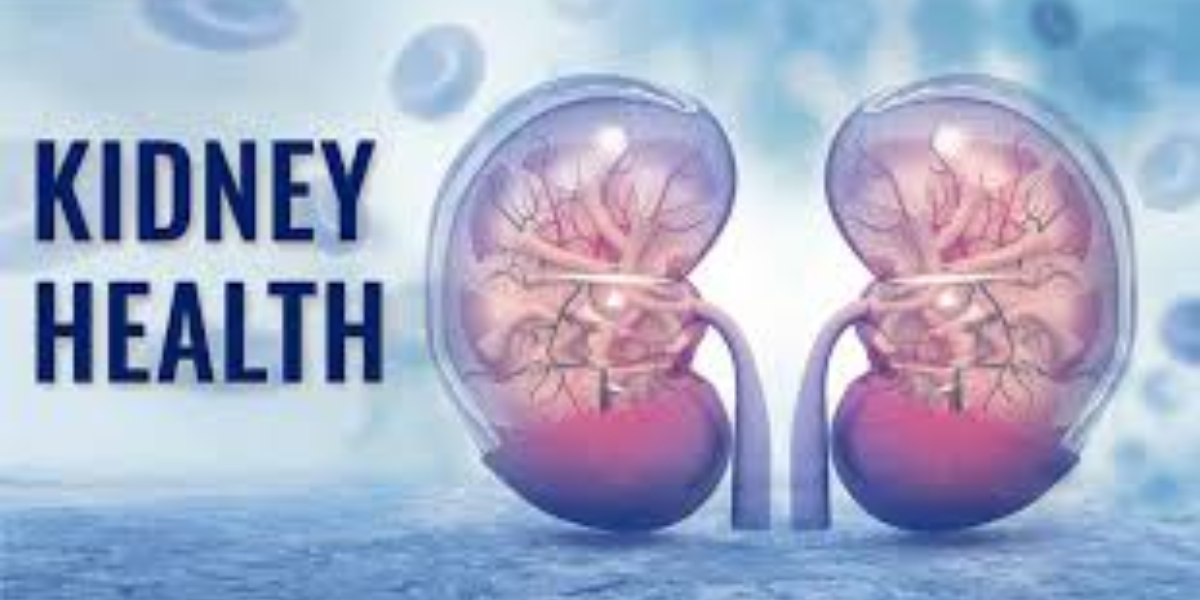
The kidneys are often referred to as the body's unsung heroes. These bean-shaped organs work tirelessly to filter waste, balance fluids, and regulate hormones that control blood pressure. However, because they are so efficient, they often hide problems until they are significantly damaged. This "silent" progression is why understanding the field of Nephrology and maintaining kidney health is vital for everyone.
The Rising Challenge of Renal Care in Pakistan
In Pakistan, the prevalence of kidney disease is rising due to high rates of diabetes and hypertension. Many patients remain unaware of their condition until it reaches an advanced stage, making the transition to dialysis or transplantation a sudden and traumatic experience. Awareness of early warning signs can quite literally be the difference between a manageable condition and total organ failure.
Early detection starts with understanding your risk factors. If you suffer from high blood sugar, elevated blood pressure, or have a family history of renal issues, you are in a high-risk category. Regular screenings, such as simple blood and urine tests, can detect protein leakage or decreased filtration rates long before physical symptoms like swelling or fatigue appear.
For those seeking professional guidance and advanced diagnostic facilities, the Nephrology department offers comprehensive services ranging from preventive care to specialized treatments. Under the expert leadership of the Head of Department of Nephrology, the team focuses on personalized care plans designed to slow the progression of chronic kidney disease and improve patient outcomes through evidence-based medicine.
1. The Warning Signs You Shouldn't Ignore
While the early stages are quiet, the body does send subtle signals as kidney function declines:
- Changes in Urination.
- Unexplained Swelling.
- Persistent Fatigue.
- Skin Rashes or Itching.
2. Preventive Steps for Kidney Longevity
Maintaining kidney health doesn't always require expensive medication; it requires lifestyle discipline:
- Hydration: Drinking adequate water helps the kidneys clear sodium and toxins.
- Controlled Diet: Reducing salt and processed sugar intake significantly lowers the workload on your renal system.
- Avoid Self-Medication: Excessive use of over-the-counter painkillers (NSAIDs) is a leading cause of drug-induced kidney injury.
3. World-Class Facilities in Faisalabad
Choosing the right healthcare partner is essential for managing complex internal diseases. Madinah Teaching Hospital is at the forefront of providing accessible and high-quality renal care. From state-of-the-art dialysis units to advanced pathology labs, MTH ensures that patients receive the best possible support in their journey toward recovery.
4. The Role of Specialized Care
When kidney issues are detected early, a nephrologist can implement strategies to manage the underlying causes. This might include strict blood pressure management, specific dietary restrictions, and medications that protect the delicate filters (nephrons) within the kidneys. Specialist-led care is the most effective way to avoid the complications of end-stage renal disease.
Conclusion
Your kidneys are a vital part of your overall well-being. By prioritizing early detection and choosing specialized medical support, you can ensure these vital organs continue to serve you for a lifetime. Don't wait for symptoms to appear; take a proactive step toward your health today
Share on Social Media
Recommended For You

From Conception to Cradle: The Importance of Comprehensive P...
Food as Medicine: How Medical Nutrition Therapy Manages Chro...
Understanding Brain and Spine Surgery: When is it Necessary?
Why the Department of Medicine is the Backbone of a Hospital
How is Modern Technology in Medical Laboratories Transformin...
Foods That Support Liver Health and Detoxification
Top 10 Skin Care Tips Backed by Dermatologists

The Rising Trend of Virtual Dental Care and Why It Matters
Dentistry Department at Madinah Teaching Hospital, Faisalaba...
Breast Surgery Department at Madinah Teaching Hospital, Fais...
Anaesthesia Department at Madinah Teaching Hospital, Faisala...

Departments at Madinah Teaching Hospital Comprehensive Care...
Understanding Lab Reports and Importance of Blood Tests

Common Stomach Issues Treatments and Healthy Diet for Liver...

Acne Care Tips and How to Manage Skin Allergies

Cosmetic and Reconstructive Surgery Top Plastic Procedures
How to Maintain Oral Hygiene and Understanding Root Canal vs...

How MTH is Training the Next Generation of Compassionate Doc...
Medical Laboratory Services Ensuring Accurate and Reliable D...
Importance of Regular Health Screenings and Services at Madi...

How Madinah Teaching Hospital Provides Affordable Healthcare...

The Role of Physical Therapy in Faster Recovery at Madinah T...
Dentistry Services at Madinah Teaching Hospital Faisalabad

Hospital Overview and Institutional Trust at Madinah Teachin...
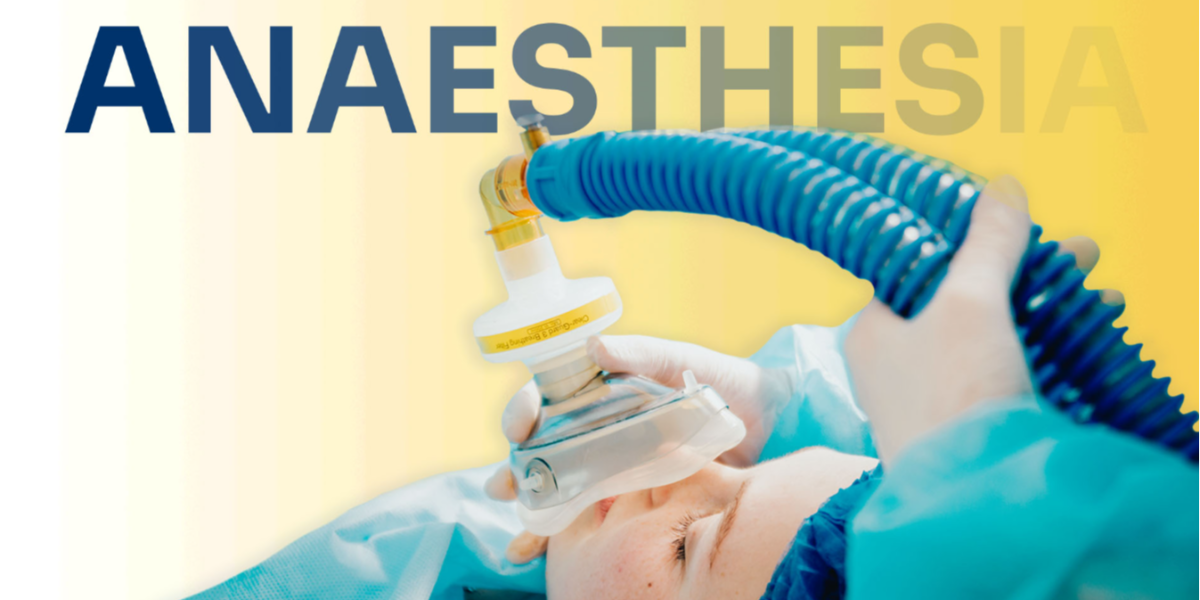
Role of Anaesthesia in Modern Surgery at Madinah Teaching Ho...
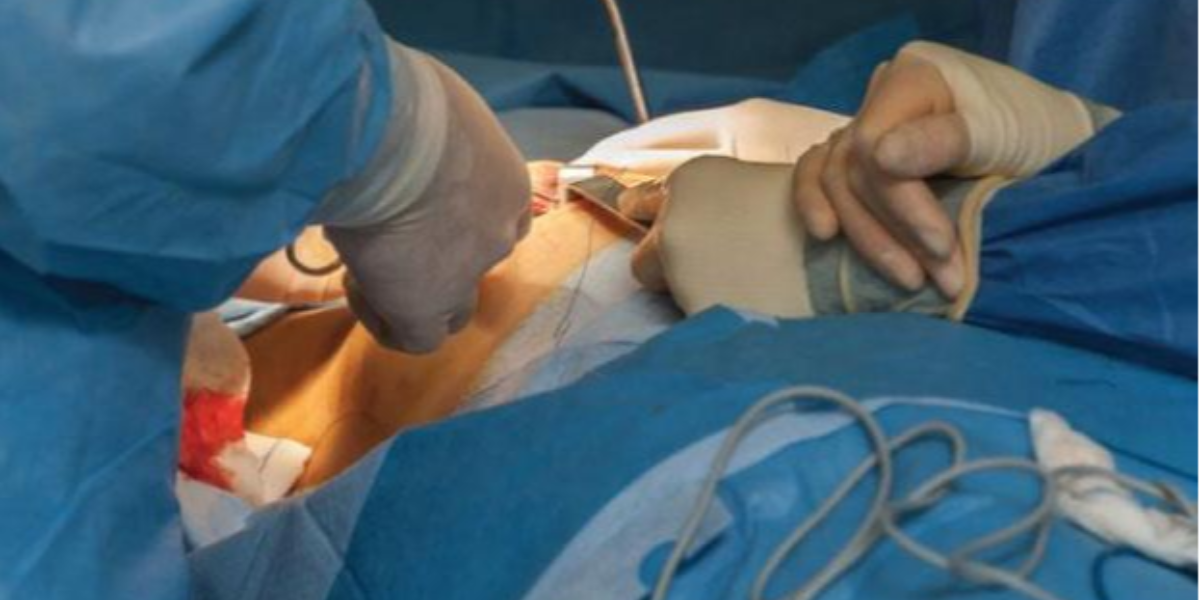
Breast Surgery at Madinah Teaching Hospital, Faisalabad
Readers Also Viewed These Articles

Get in touch with us today to get medical services
Madinah Teaching Hospital
Sargodha Road, Faisalabad
- EMAIL US: [email protected]
- CALL US: 041-8869862
Subscribe Our Newsletter


Copyright 2026. All Rights Reserved By MTH