
How to Maintain Oral Hygiene and Understanding Root Canal vs. Tooth Extraction
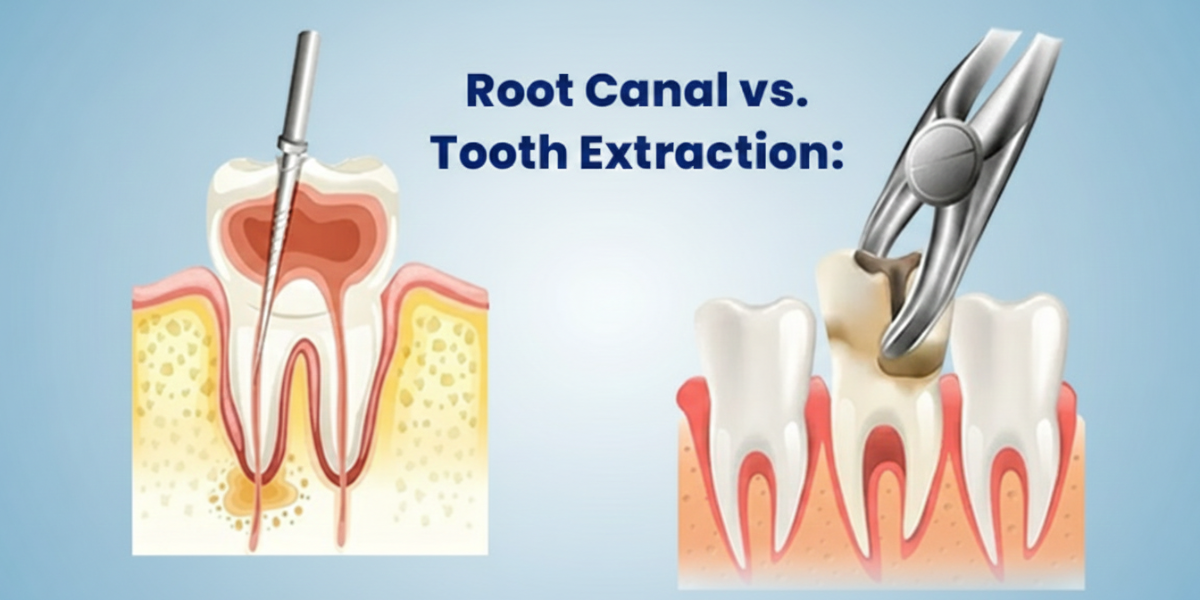
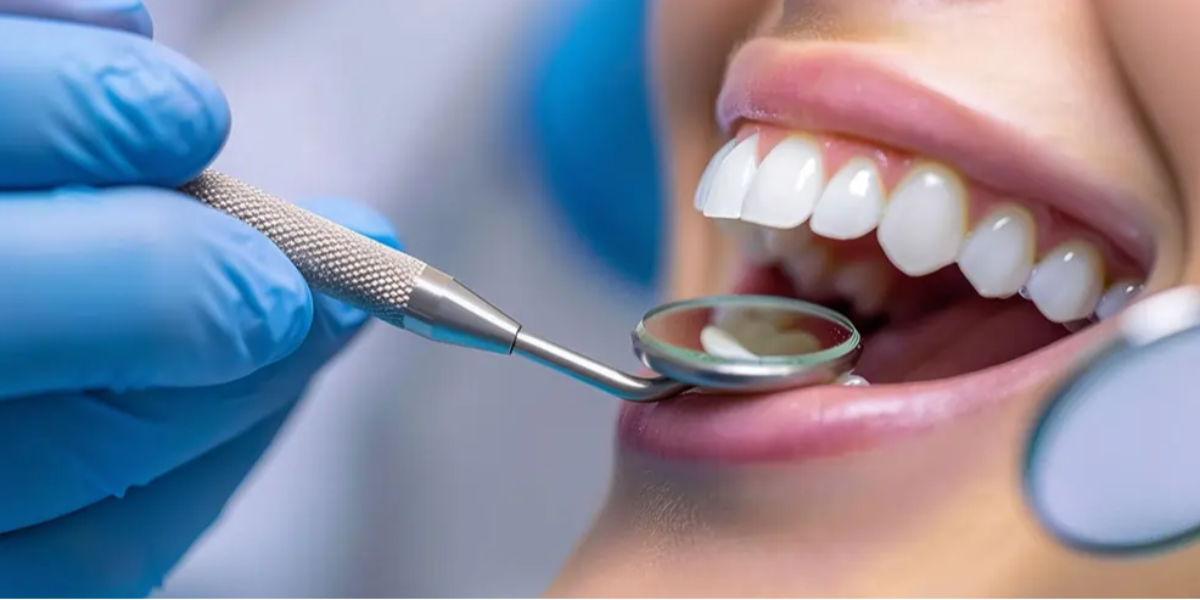
Maintaining good oral hygiene is one of the most important aspects of overall health and well-being. A healthy mouth not only contributes to a confident smile but also helps prevent numerous dental and systemic health problems. Despite regular care, many people face dental issues that require complex treatments such as root canal therapy or tooth extraction. Understanding how to maintain oral hygiene and knowing when a root canal or extraction is necessary can help you make better decisions about your dental health.
Importance of Oral Hygiene
Oral hygiene is the practice of keeping your mouth, teeth, and gums clean and healthy to prevent disease. Proper oral care removes food debris and bacterial plaque, reducing the risk of cavities, gum disease, and bad breath. A clean and healthy mouth also lowers the chances of infections spreading to other parts of the body, such as the heart or lungs.
When oral hygiene is neglected, plaque builds up on the teeth and eventually hardens into tartar. This leads to inflammation of the gums, known as gingivitis, which can progress to more severe gum diseases like periodontitis. These conditions cause tooth decay, mobility, and eventually tooth loss. Moreover, poor oral health can also contribute to diabetes complications and cardiovascular diseases, emphasizing the need for regular dental care.
Steps to Maintain Good Oral Hygiene
The foundation of oral hygiene lies in daily habits that protect your teeth and gums. Brushing your teeth at least twice a day with fluoride toothpaste helps remove plaque and food particles. It is essential to brush gently in circular motions, covering all tooth surfaces, including the gumline and tongue. Over-brushing or using a hard-bristled brush can wear down enamel and irritate gums, so using a soft brush is recommended.
Flossing once a day is equally important as it cleans the tight spaces between teeth where a toothbrush cannot reach. This practice prevents plaque buildup in interdental areas, which is a common cause of cavities and gum disease. Mouthwash is another effective way to maintain oral hygiene, as it kills bacteria, freshens breath, and strengthens enamel with fluoride protection.
A healthy diet plays a major role in oral health. Limiting sugary and acidic foods helps prevent tooth decay and enamel erosion. Drinking plenty of water throughout the day keeps your mouth hydrated and aids in washing away food debris. Avoiding tobacco and reducing alcohol consumption are also key factors in preventing gum disease, staining, and oral cancer.
Regular dental checkups are vital to detect problems early. A professional cleaning every six months removes tartar and ensures early intervention for any developing issues. Dentists can also provide preventive treatments such as fluoride applications or dental sealants to protect teeth from decay.
Common Dental Problems Despite Good Hygiene
Even with excellent oral hygiene, some dental issues may still arise due to genetics, trauma, or underlying conditions. Deep decay, fractures, or infections inside the tooth can lead to severe pain and swelling. When the pulp (the soft tissue inside the tooth containing nerves and blood vessels) becomes infected, it cannot heal on its own. In such cases, two major treatment options are available, root canal therapy or tooth extraction. Understanding the difference between these two procedures helps you choose the best approach for your situation.
What is a Root Canal?
A root canal is a dental procedure used to save a tooth that has been badly damaged or infected. During this treatment, the dentist removes the infected pulp from inside the tooth, cleans and disinfects the root canals, and fills them with a special material to prevent re-infection. Finally, the tooth is restored with a filling or a crown to regain its strength and function.
The main purpose of a root canal is to preserve the natural tooth. Keeping your original tooth maintains the alignment of your bite, prevents neighboring teeth from shifting, and supports healthy jawbone structure. This procedure is typically recommended when the tooth structure is strong enough to remain functional after treatment.
Root canal therapy also offers long-term benefits. It eliminates pain caused by infection, restores chewing ability, and prevents the need for artificial replacements such as implants or bridges. Although the procedure has a reputation for being painful, modern techniques and anesthesia make it relatively comfortable and highly successful.
What is Tooth Extraction?
Tooth extraction is the process of removing a tooth completely from its socket in the jawbone. It is usually performed when a tooth is too damaged to be repaired, such as in cases of severe decay, advanced gum disease, or when the tooth is fractured below the gum line. In some cases, extractions are also done to relieve overcrowding or prepare the mouth for orthodontic treatment.
While extraction is a straightforward and often quicker procedure than a root canal, it has long-term consequences. Once a tooth is removed, the surrounding bone begins to shrink because it no longer receives stimulation from chewing. This bone loss can alter the shape of the jawline and cause adjacent teeth to shift, leading to misalignment or bite problems. To maintain proper oral function, the missing tooth must usually be replaced with an implant, bridge, or denture, all of which add to the overall treatment cost and time.
Root Canal vs. Tooth Extraction: Which is Better?
The decision between a root canal and extraction depends on the condition of the tooth, the extent of damage, and overall oral health. In most cases, dentists prefer to save the natural tooth whenever possible because nothing can fully replicate its function and feel. If the infection is limited to the pulp and the outer structure is still strong, a root canal is typically the best choice.
However, if the tooth is severely decayed, cracked below the gum line, or has very poor bone support, extraction may be necessary. Sometimes, the infection may have spread too far to be treated successfully with a root canal, and removing the tooth becomes the safest option to prevent further complications.
Another factor to consider is cost and long-term benefits. Although a root canal followed by a crown may seem expensive initially, it is often more economical than extraction and replacement because it preserves your natural tooth. On the other hand, extraction may appear cheaper at first, but the expense of restoring the missing tooth with an implant or bridge can make it more costly in the long run.
Healing and Aftercare
After a root canal, the treated tooth should be protected with a dental crown to prevent fracture. You should avoid chewing hard foods on that side of the mouth until the crown is placed. Maintaining good oral hygiene, following the dentist’s post-treatment instructions, and attending follow-up appointments help ensure a successful recovery.
After an extraction, it is important to follow specific aftercare instructions to avoid complications such as dry socket. You should not smoke, use a straw, or rinse vigorously for at least 24 hours after the procedure. Eating soft foods and keeping the extraction site clean helps promote healing. Over time, if the missing tooth is not replaced, the jawbone in that area can deteriorate, affecting facial structure and chewing ability.
Preventing the Need for Major Dental Treatments
The best way to avoid the need for a root canal or extraction is by maintaining excellent oral hygiene. Brushing twice daily, flossing regularly, and using an antibacterial mouthwash significantly reduce the chances of decay and infection. Regular visits to a dental professional allow early detection of cavities or gum problems before they become severe.
Adopting a balanced diet rich in vitamins and minerals supports strong teeth and gums. Vitamin D, calcium, and phosphorus are especially important for maintaining healthy enamel and bone. Avoiding excessive sugar and acidic drinks helps protect the teeth from erosion.
Madinah Teaching Hospital emphasizes preventive dental care and encourages regular dental visits for professional cleanings and checkups. Their dental experts guide patients on proper brushing techniques, nutrition, and treatment plans designed to preserve natural teeth for as long as possible. For more details, you can visit their official website at Madinah Teaching Hospital.
Conclusion
Maintaining oral hygiene is a lifelong commitment that goes beyond having a beautiful smile. It protects your overall health and prevents serious dental problems that may require procedures like root canals or extractions. Understanding the differences between these treatments helps you make informed choices when faced with dental issues.
In most cases, saving the natural tooth through root canal therapy is the preferred option because it preserves the tooth’s function and prevents long-term complications. However, when a tooth is beyond repair, extraction becomes necessary to protect the surrounding tissues and prevent the spread of infection.
The key to a healthy mouth lies in prevention, practicing good oral hygiene, maintaining a balanced diet, and visiting your dentist regularly. With the right care and timely professional guidance, you can ensure strong teeth, healthy gums, and a confident smile throughout your life.
Share on Social Media
Recommended For You

From Conception to Cradle: The Importance of Comprehensive P...
Food as Medicine: How Medical Nutrition Therapy Manages Chro...
Understanding Brain and Spine Surgery: When is it Necessary?

Kidney Health Awareness: Why Early Detection Matters

Why the Department of Medicine is the Backbone of a Hospital

How is Modern Technology in Medical Laboratories Transformin...

Foods That Support Liver Health and Detoxification

Top 10 Skin Care Tips Backed by Dermatologists

The Rising Trend of Virtual Dental Care and Why It Matters
Dentistry Department at Madinah Teaching Hospital, Faisalaba...

Breast Surgery Department at Madinah Teaching Hospital, Fais...

Anaesthesia Department at Madinah Teaching Hospital, Faisala...

Departments at Madinah Teaching Hospital Comprehensive Care...

Understanding Lab Reports and Importance of Blood Tests

Common Stomach Issues Treatments and Healthy Diet for Liver...

Acne Care Tips and How to Manage Skin Allergies

Cosmetic and Reconstructive Surgery Top Plastic Procedures

How MTH is Training the Next Generation of Compassionate Doc...

Medical Laboratory Services Ensuring Accurate and Reliable D...

Importance of Regular Health Screenings and Services at Madi...

How Madinah Teaching Hospital Provides Affordable Healthcare...

The Role of Physical Therapy in Faster Recovery at Madinah T...
Dentistry Services at Madinah Teaching Hospital Faisalabad

Hospital Overview and Institutional Trust at Madinah Teachin...

Role of Anaesthesia in Modern Surgery at Madinah Teaching Ho...

Breast Surgery at Madinah Teaching Hospital, Faisalabad

Get in touch with us today to get medical services
Madinah Teaching Hospital
Sargodha Road, Faisalabad
- EMAIL US: [email protected]
- CALL US: 041-8869862
Subscribe Our Newsletter


Copyright 2026. All Rights Reserved By MTH